
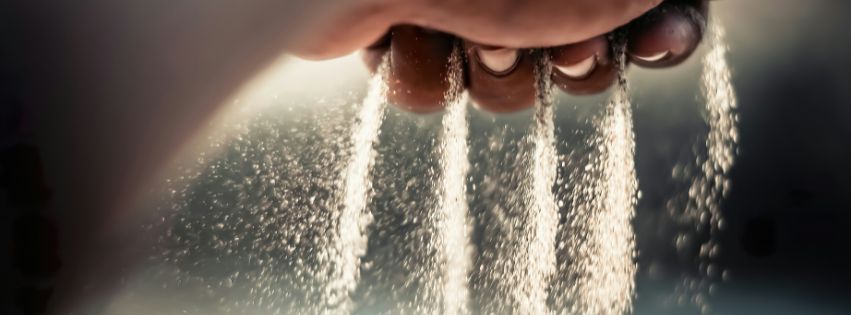
Everything you do, or don’t do, is a decision you’re making.
Perhaps reading The Age Of Reason while on my period wasn’t the best decision I’ve had, but it has led to the first tugs of inspiration I’ve had in months, so here we are.
The fact that every action we take has consequences is sickening, to be honest. It puts so much pressure on you to realise that everything you do has a consequence; even the things you don’t do. In fact, this is especially the case for the things we don’t do.
Everything we choose leads further away from everything else that’s out there. Whether it’s for better or worse, making a decision is essentially saying goodbye to all other options. It’s the good ol’ fig tree, and no, I don’t think we’ll ever be free of that damn rotting fruit.
Because that’s both the pleasure and horror of being human, is it not?
Having just put down the book, it is this idea of choice and consequence that I can’t move past.
“Is that what freedom is?,” he thought
“He has acted, and now he can’t go back”
As someone who prioritises freedom as much as possible in my own life, I hated that I understood Mathieu throughout most of the story. While I was so frustrated by his lack of progress and his failure to make decisions, I understand all too well how it feels to be paralysed by your own philosophy.
The book expresses it very clearly: inaction is still action. Choosing not to do something is just as impactful as choosing to do it. Whatever you decide, things will still move forward, and that’s the frightening part.
Your whole life can pass you by without you having anything to do with it. Whether this is because you’re content to watch it sail by or because you’re paralysed by choice, the outcome is the same.
You will get to the age of reason and find you have nothing to show for it, if you’re not careful.
Now, to circle back to what I said earlier about the state I’ve been in while reading this book. I’m currently on my period, which, as anyone with a uterus will tell you, is a very existential time in itself. It’s not unlike being hungover, actually, in the way you contemplate your decisions and feel anxious about what you’ve done, but do not have the energy to do anything about it.
And as the book highlights, it is no good just thinking about things; you have to actually do it to get anywhere.
If you’ve been to this blog before, this won’t come as a surprise to you, but this is the bit I really struggle with. I have plenty of good ideas; I come up with new philosophies to live by every week and love to plan out how I’m going to change my life. However, when it gets down to the actual movement? Crickets.
I may get momentum for a few days or even a few weeks, but eventually I return to my plateau of nothingness.
This is a pattern I have experienced many times throughout my 30 years of life, and like Mathieu, I try to think my way out of it instead of actually moving.
I get caught up in the small details, in wondering how I feel about it, whether this is the best option for me or if there’s something better out there, which leads to more time passing and no results.
Yet I have to accept that this lack of movement is also a choice I’m making, and I have no one to blame but myself. I can whinge and moan that I’m not making progress, or that I’m sick of seeing myself go through the same patterns over and over again, but until I actually do something about it, that’s the way it’s going to be.
That’s the decision I’ve made, and I have to deal with it.
So, if we are “condemned forever to be free”, how are we supposed to deal with it?
The book addresses this too, I think. It’s time for another quote:
“A conviction has to be created.”
Mathieu smiled sadly. “I know that. Go down on your knees and you will believe. I daresay you are right. But I want to believe first.”
“Naturally,” ejaculated Brunet. “You’re all the same, you intellectuals: everything is cracking and collapsing, the guns are on the point of going off, and you stand there calmly claiming the right to be convinced. If only you could see yourself with my eyes, you would understand that time presses.”
We cannot think our way out of something, or into a new something. While planning and manifesting and visualising all have their place, there is going to come a time when you cannot sit still anymore.
As Brunet says in this passage, time presses and decisions have to be made.
Whether it’s something major, like accepting a job offer or moving away, or something smaller, like washing your hair because you feel greasy, you have to decide what you’re going to do sooner rather than later. Accepting that you’re the only one who can do this is vital for peace.
Everything you do is a choice, even if it feels forced or like you had no other option. To maintain some sense of control in this world, you/I need to accept this role we have in our own lives.
If we want something to change, we’re the only ones who can do it. And that’s fucking terrifying.
Speak soon,
Rachael.
Photo by Ashique Anan Abir on Unsplash


Leave a Reply